AI without the downsides.
Giant data centers strain grids, budgets, and neighborhoods. Vortx goes the other way: distributed AI infrastructure, powered by battery storage, built where capacity already exists.
Buying compute? Get in touch.The way AI is being built is breaking things.
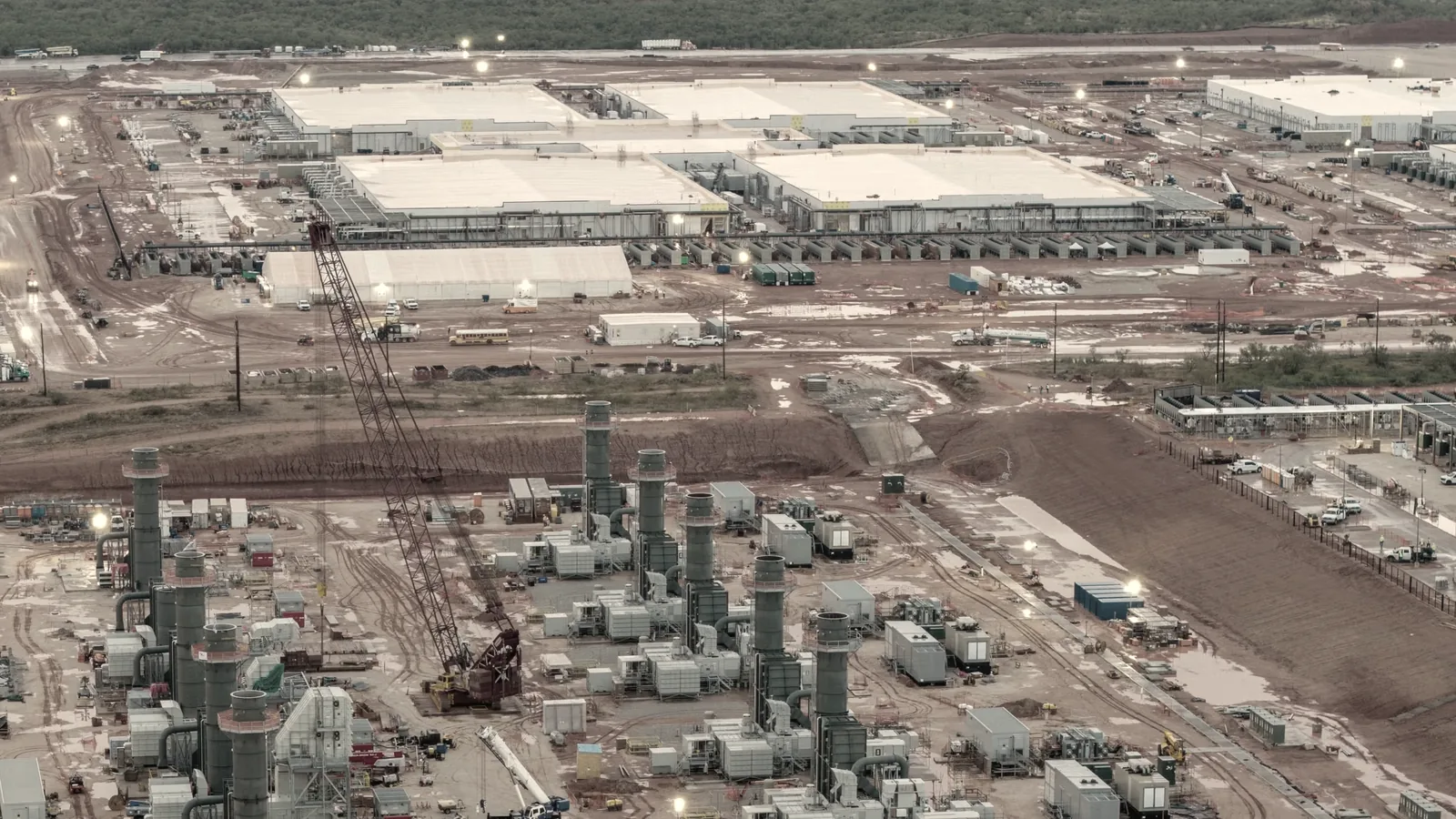
One site can now strain an entire region.
Connecting takes years, and impatience has found a workaround: generators out back, burning the fuel this industry promised to leave behind.
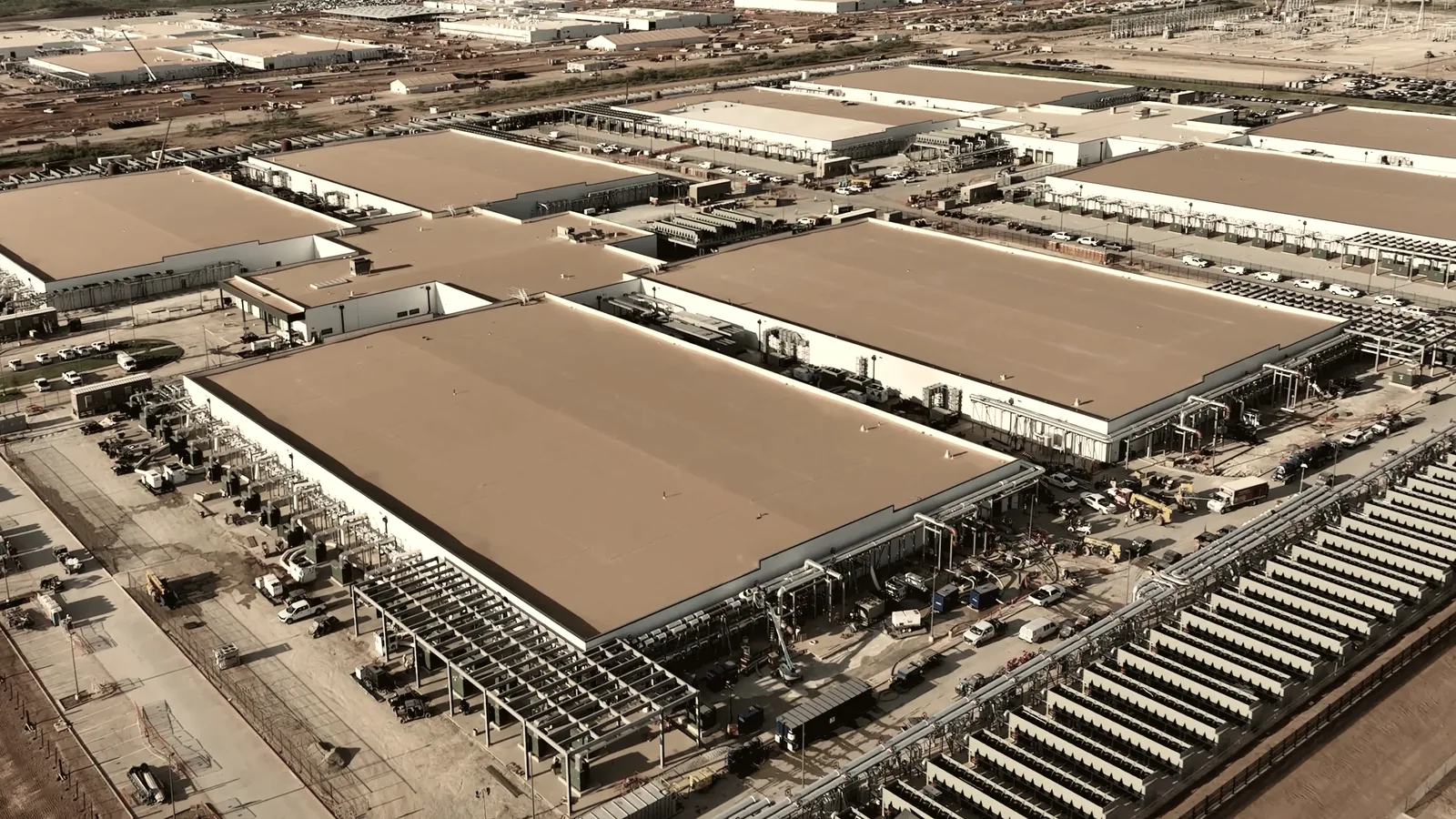
Overbuilt by design.
Every new campus means new generation, new wires, new cooling. Meanwhile, infrastructure we have already paid for sits with room to spare.
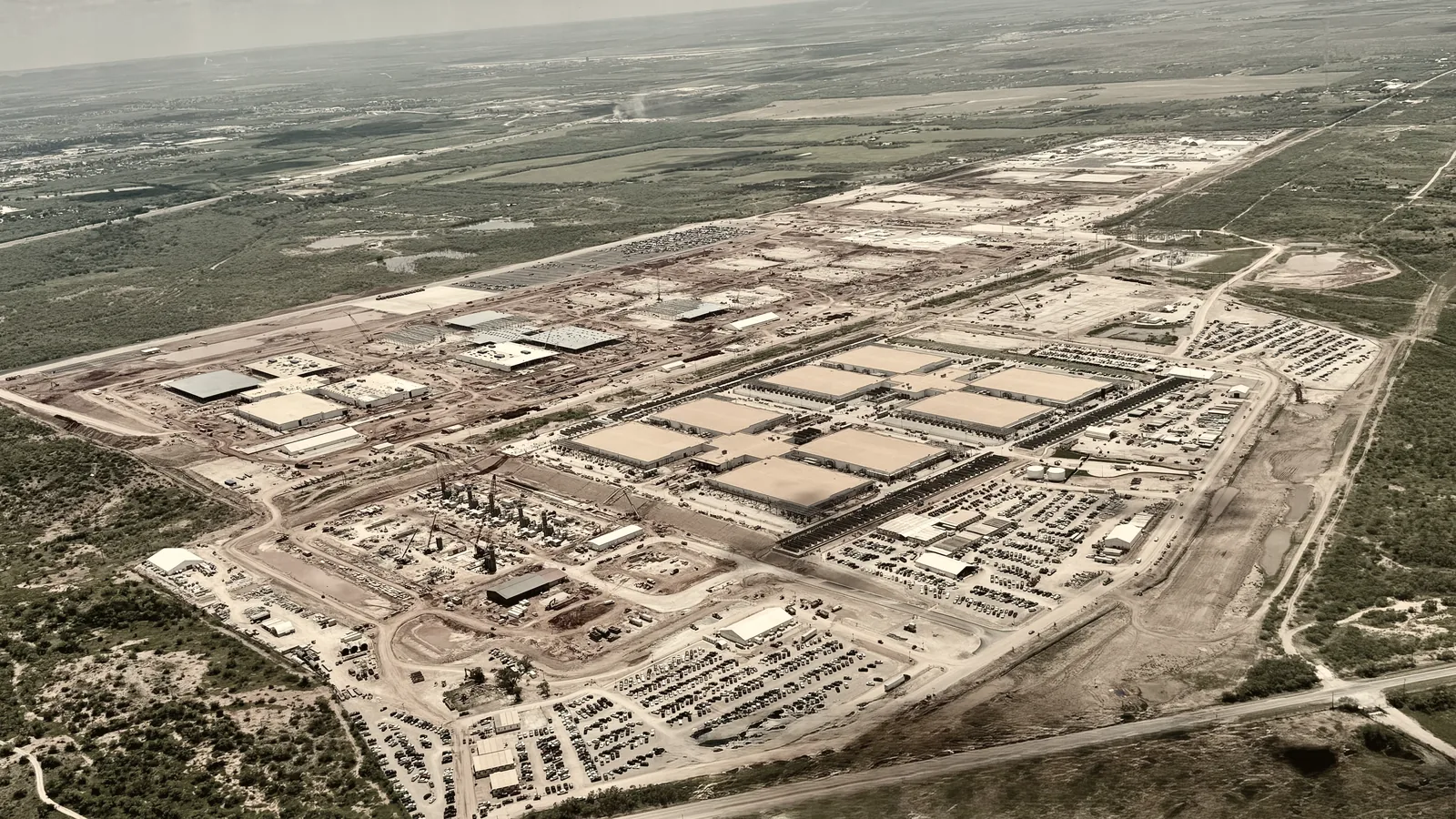
The neighbors have stopped saying yes.
Stack enough demand in one place and someone has to live beside it. One town carries the draw, the water, the noise, all at once.
What changed.
Nobody has to build it this way.
The size of these campuses is a decision, not a requirement of every workload. The part of this that is growing fastest is also the part that spreads best, and the power to run it is already sitting unused in more places than one. We build to that shape instead.
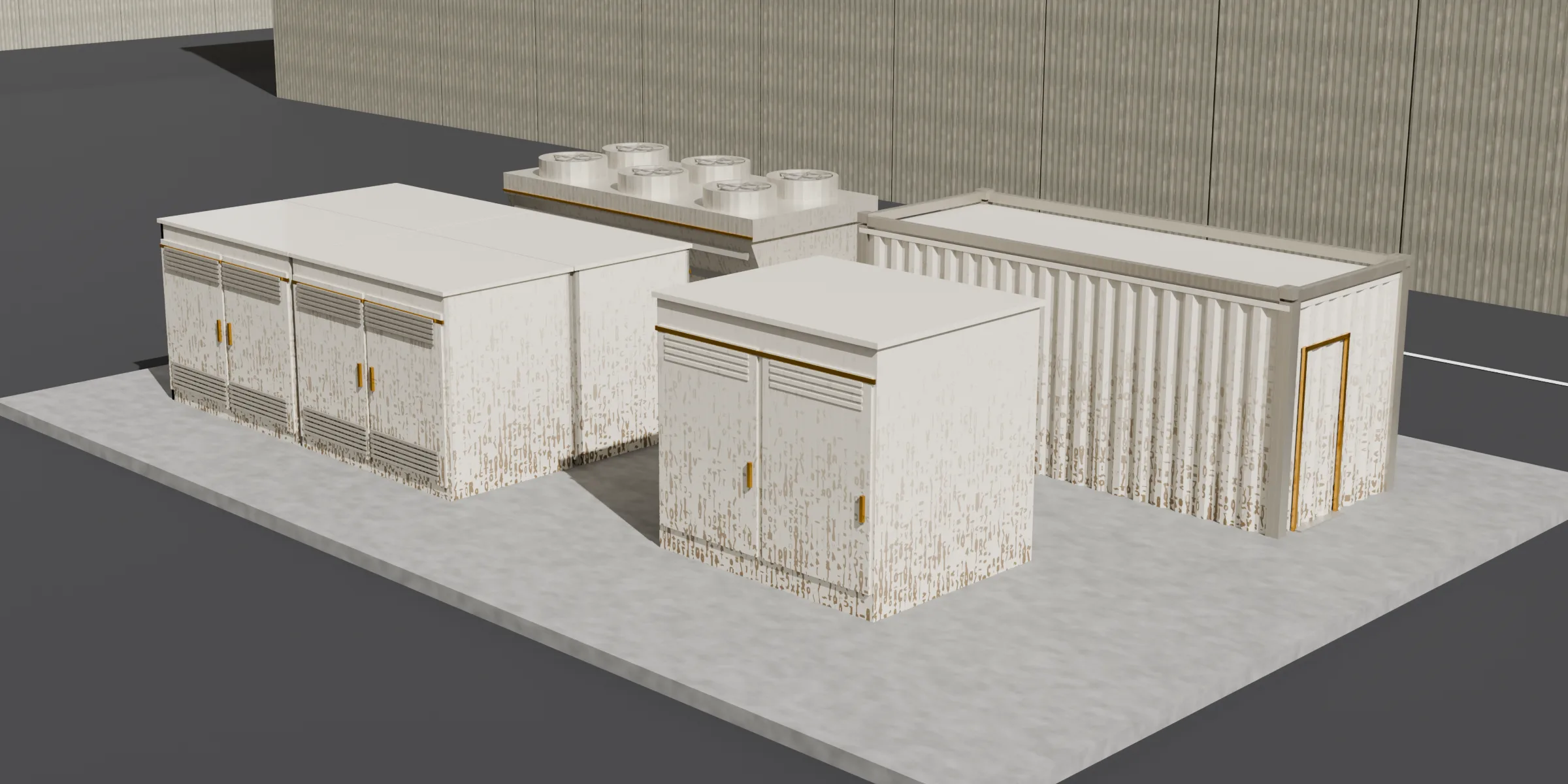
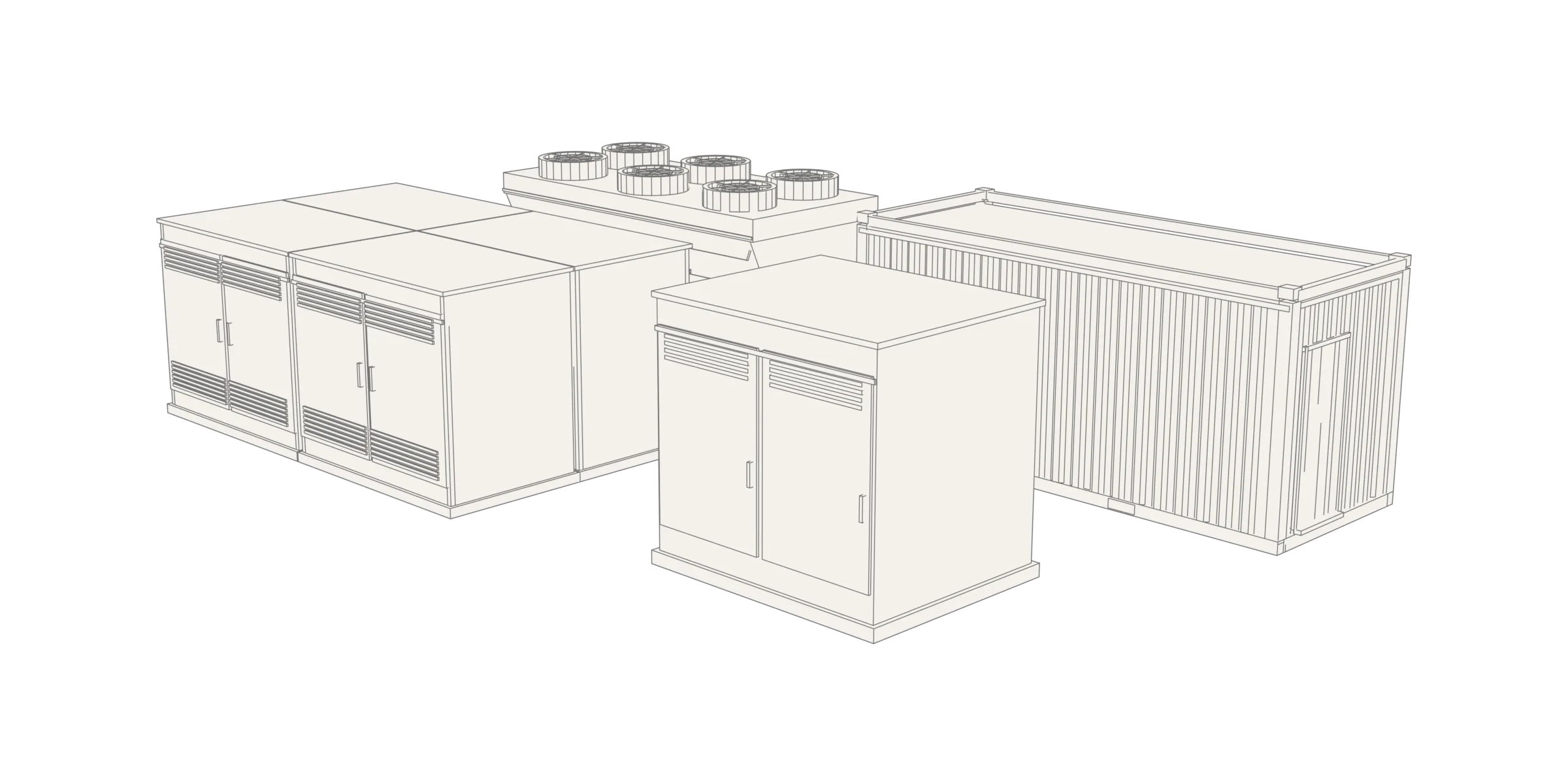
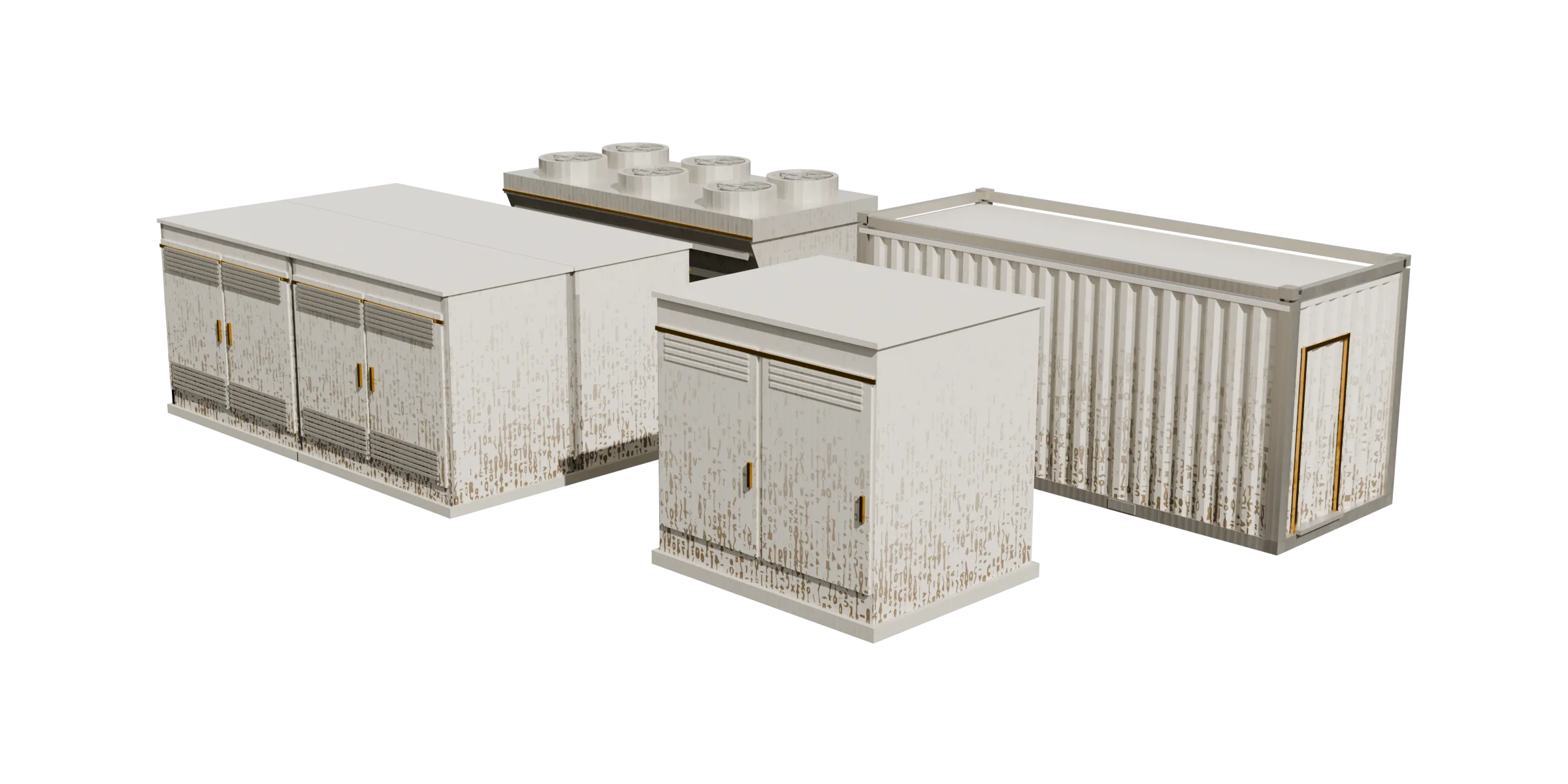
Battery, compute, cooling, power conversion
What we're building
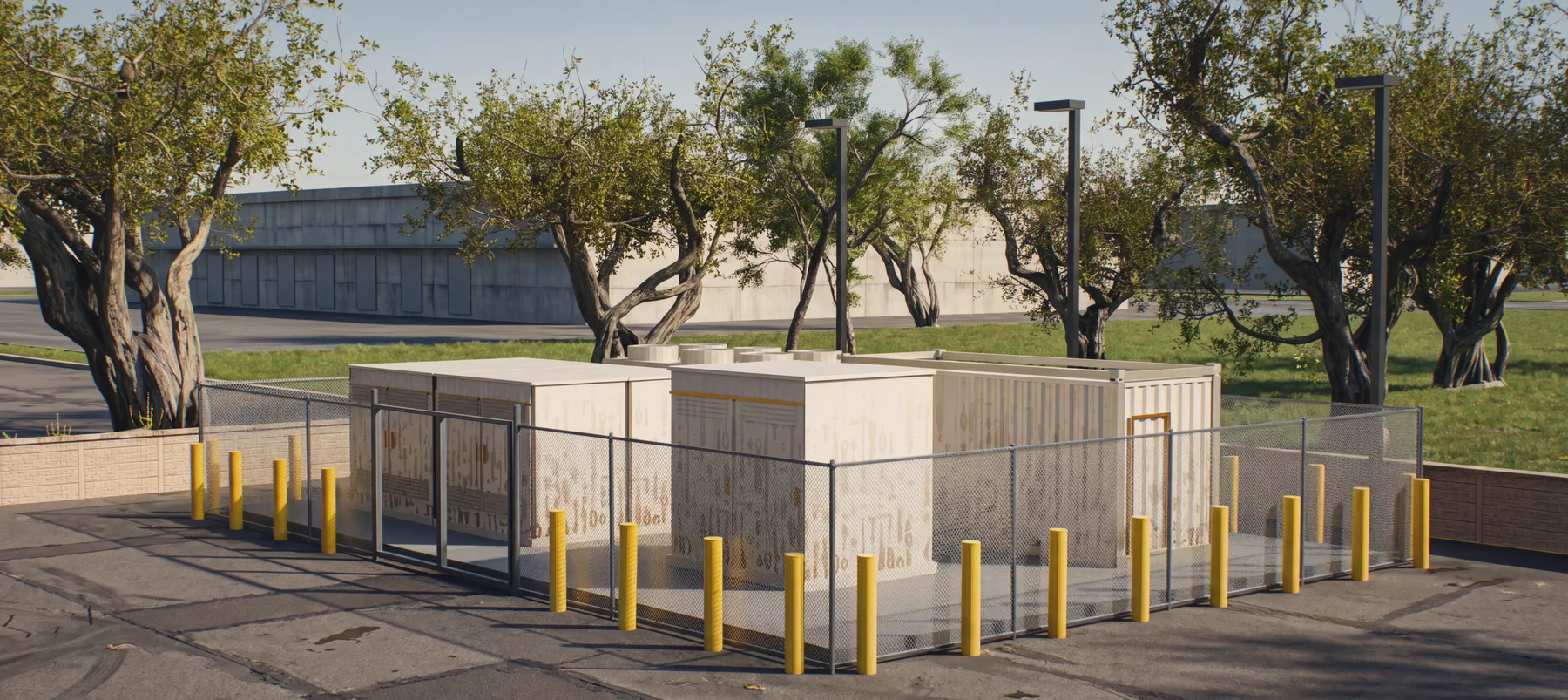
Vortx develops and operates distributed AI infrastructure: smaller, battery-backed compute sites that plug into capacity that already exists.
AI compute.
Each site runs GPUs in racks, operated by us and sold as capacity. The batteries and the cooling are there to keep those racks running.
Clean firm power.
Battery storage makes each site firm without a generator behind it. No generators, no emissions.
Reuse over overbuild.
We compete by not building everything twice. Existing sites, existing interconnection, existing headroom, put back to work.
Built to be a good neighbor.
The power and land we build on belongs to a business in the area, and we pay them for that capacity. It gives a local company a way to earn from the AI buildout.
Battery cabinets
Nothing burns.
No generators, no smokestacks, no fuel deliveries. Battery storage only.
Batteries held to the highest standard.
We deploy only independently safety-certified battery systems, built to the strictest national fire codes, at a scale far smaller than the battery farms that make headlines.
Dry cooler
Nothing evaporates.
Heat leaves through a closed loop into the air, so cooling a site doesn't draw on local water.
Fans, not engines.
The only moving parts are the cooling fans, the same class of equipment already sitting on the roof of most commercial buildings. Nothing on the site runs an engine through the night.
Power conversion
Your grid gets stronger.
The batteries that power our compute can support the local grid when it's stressed, instead of straining it.
Built by your neighbors.
Before compute, we built battery-backed microgrids for Los Angeles businesses. Vortx is the same work pointed at AI: quiet sites on existing power, built by people you can call. Hold us to it.

Tim Victor
Cofounder & CTO
Let's talk.
We're building AI infrastructure designed around the communities it lands in.
Good reasons to reach out:
- You think we're right
- You think we're nuts
- You want to know which one we are